What makes an organizational purpose authentic?
I examine how firms translate purpose into action, when purpose becomes decoupled from practice, and which governance mechanisms reconnect organizational “talk” with operational choices.
Scholar · Teacher · Business ethicist
I study how organizations understand and pursue purpose — and what happens when economic activity becomes disconnected from the human and social goods it is meant to serve.
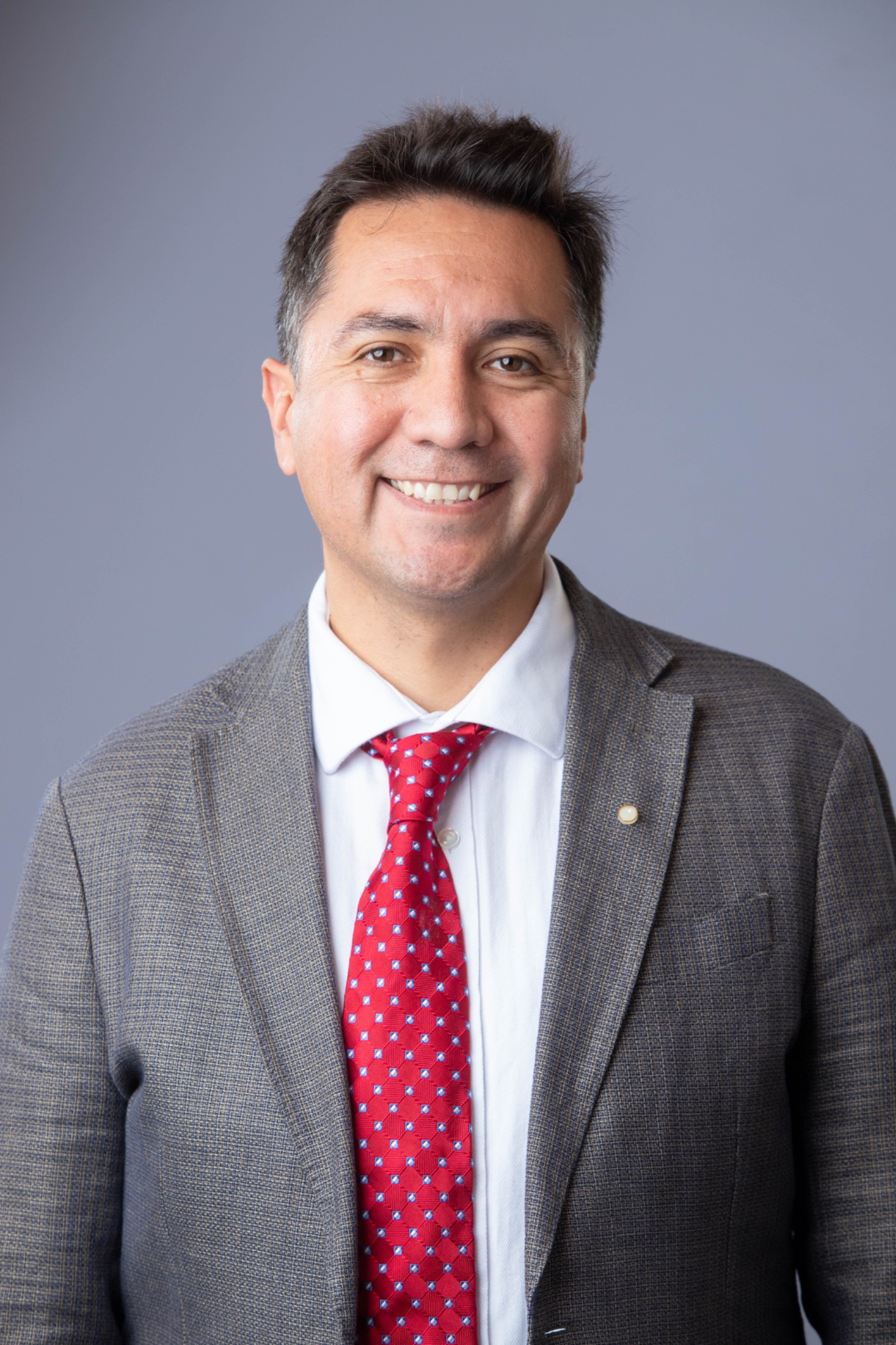
Diego Arias, PhD
Assistant Professor of Management
Charles T. Fisher III Chair of Business Ethics
University of Detroit Mercy
One question. Four places.
My academic journey has crossed countries and traditions, but one question has remained constant: how can business contribute to human flourishing?
I was trained in management and business ethics at IESE Business School after graduate study in corporate social responsibility and Catholic social thought in Rome. Those experiences shaped an approach to management that treats organizations as moral and social institutions — not only as economic actors.
Today my work sits at the intersection of business ethics, organizational theory, and economic sociology. I am especially interested in the gap between what organizations say they are for and what they actually do, and in the role of virtue, dignity, and the common good in closing that gap.
The questions that drive my research
I examine how firms translate purpose into action, when purpose becomes decoupled from practice, and which governance mechanisms reconnect organizational “talk” with operational choices.
My current work explores purpose failure, organizational decline, and the possibility that an organization’s claimed reason for being can be challenged or withdrawn by actors with legitimate authority.
I develop normative approaches to management grounded in human dignity, the common good, gift, love, and virtue — asking how ethical principles can become part of organizational design and practice.
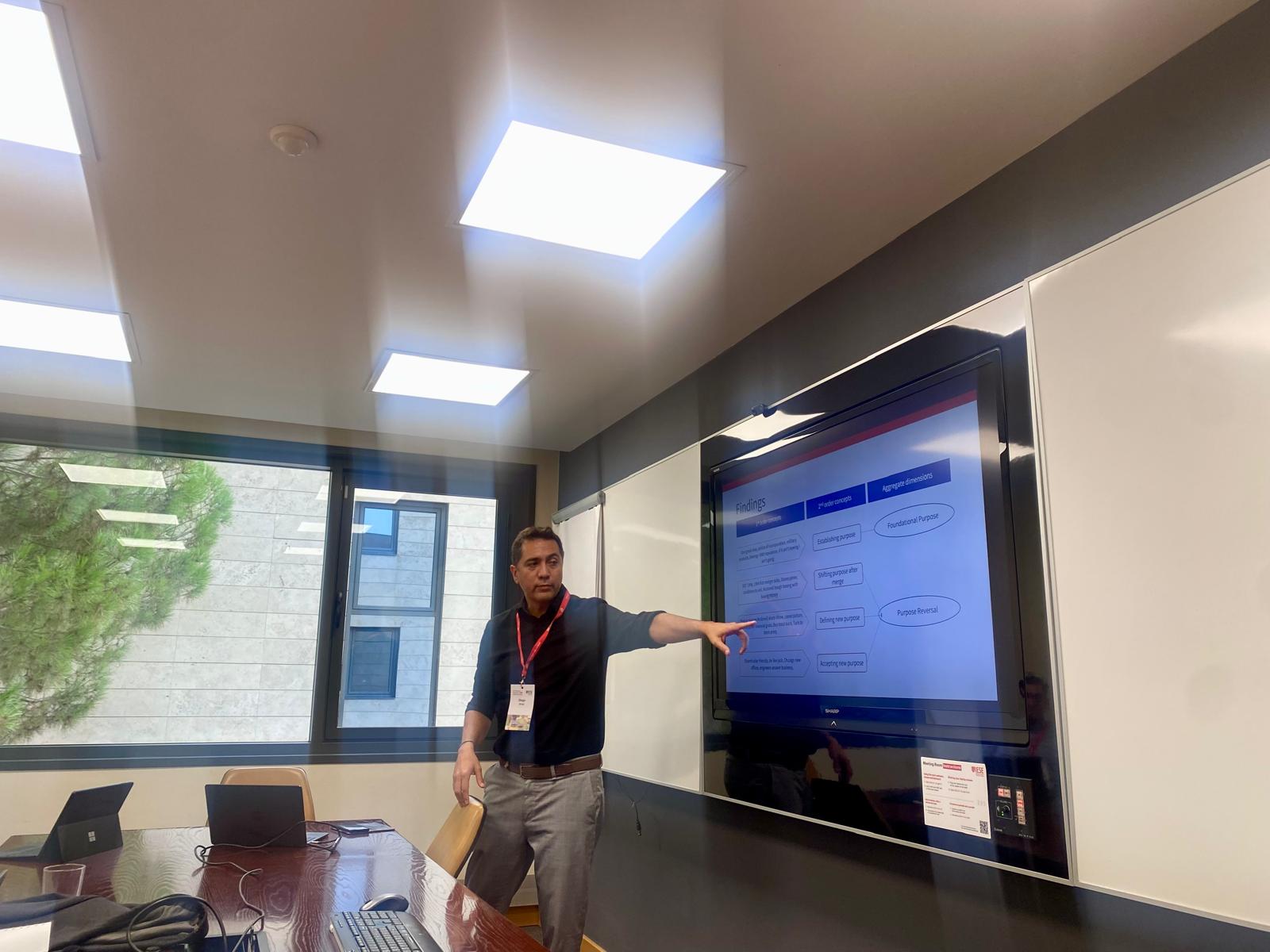
My qualitative and process-oriented research uses archival and comparative case designs, interviews, documentary evidence, and iterative coding to uncover how purpose is implemented, distorted, defended, or undone.
Current projects examine purpose implementation, purpose-practice misalignment, purpose denial, organizational decline, and the relationship between purpose and virtuous behavior.
Selected work
Accepted · Business and Professional Ethics Journal
with Joan Fontrodona
Business Strategy and the Environment
with Ximena Barriola and Christian Loza Adaui
How purpose becomes operational in a Peruvian microfinance institution.
How organizations mask, reverse, and account for inconsistencies between declarations and action.
How an organization’s reason for being can be challenged or retrospectively undone.
How purpose may shape virtuous behavior and support a more humanistic theory of management.
Building the field
Ethical Solutions to Social Problems
The Cavanagh Fund supports innovative research that develops practical, ethical solutions to pressing social problems. It honors Fr. Gerald Cavanagh, SJ, and his conviction that business ethics should be applied, action-oriented, and responsive to real challenges facing organizations and society.
per award
2027 · 11:59 p.m. ET
academic · practitioner · student
dignity · governance · CSR · education
Teaching
My goal is not simply to teach ethics. It is to change the way students see business.
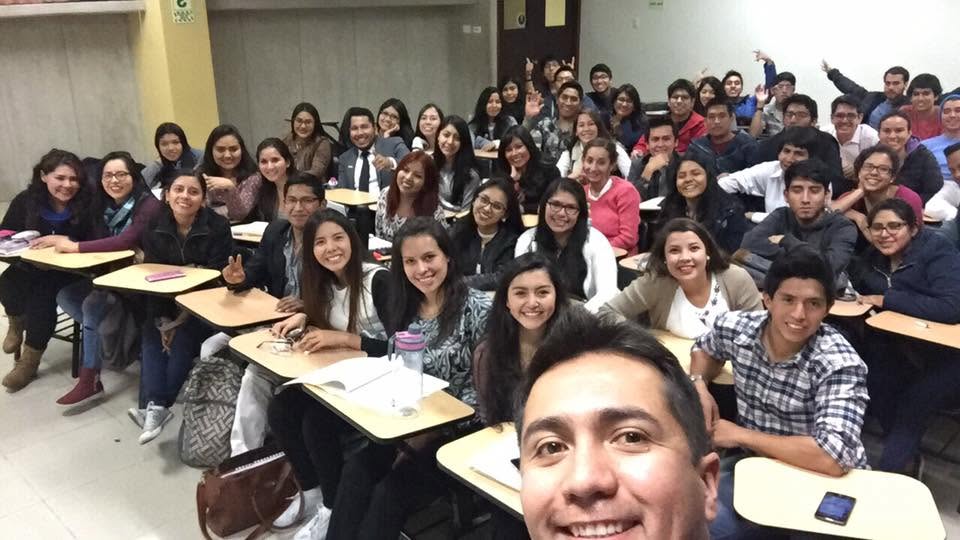
I use cases, role plays, Socratic discussion, and experiential exercises to make ethical dilemmas concrete. Students are expected to defend decisions, confront trade-offs, and consider the people who bear the consequences of managerial action.
International academic journey
Teaching and academic leadership in business ethics, strategy, philosophy, and Catholic social thought.
Graduate study in corporate social responsibility and the social doctrine of the Church.
Master in Research and PhD in Management at IESE Business School, followed by university teaching in Spain.
Assistant Professor of Management and Charles T. Fisher III Chair of Business Ethics at the University of Detroit Mercy.
Languages: Spanish · English · Italian
Beyond the journal article
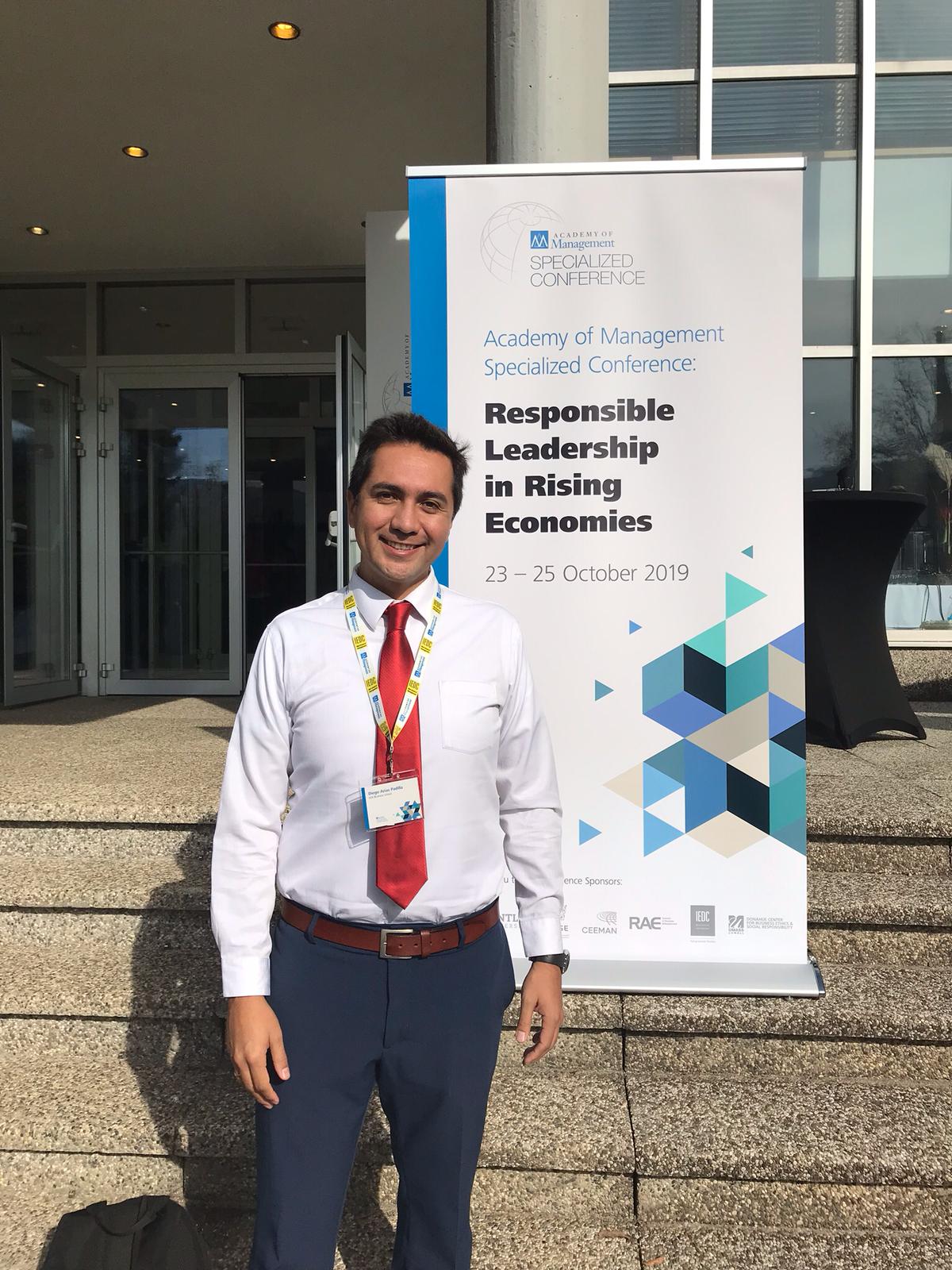
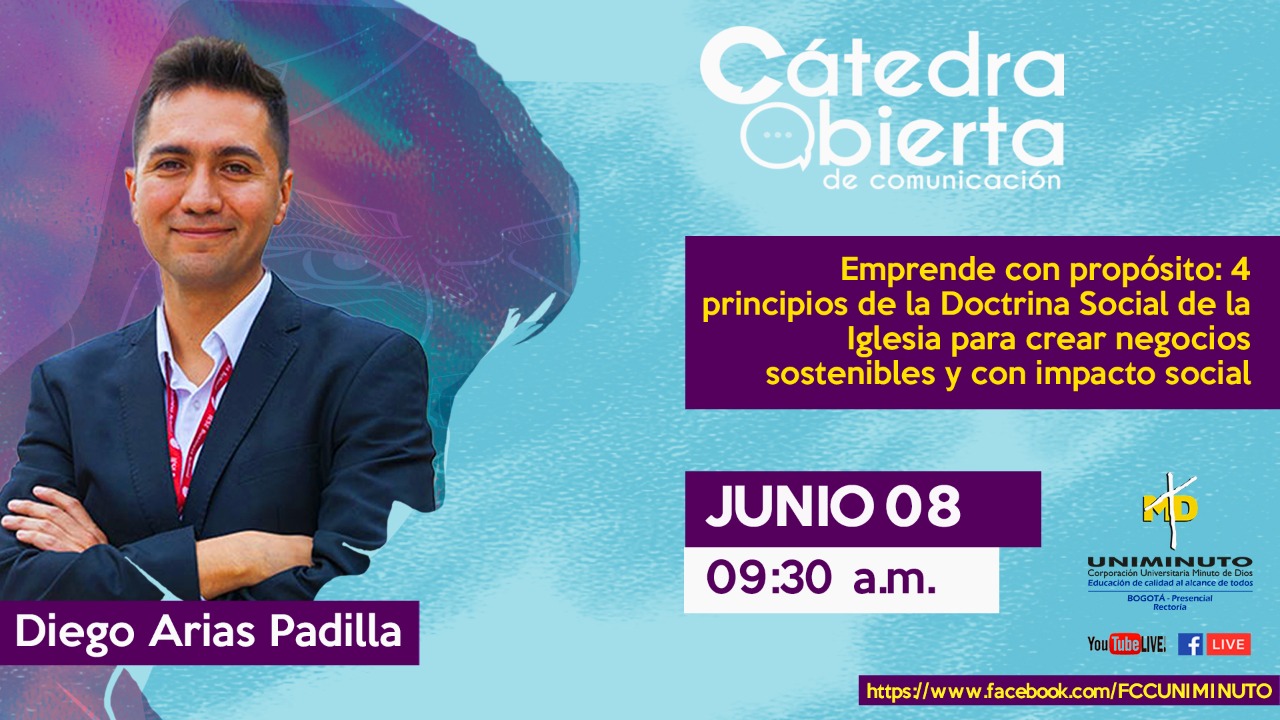
I bring questions of purpose, virtue, dignity, and the common good into classrooms, organizations, conferences, and public conversations. I am especially interested in making ethical reflection useful to people who are making real managerial and entrepreneurial decisions.
Beyond academia
Family is central to how I understand work, responsibility, and the good life.
Outside academic life, I enjoy sports — especially volleyball and basketball. I value the teamwork, discipline, and community that come with them, and I try to bring that same spirit of shared effort into my teaching and collaborative research.
08 / Contact
For research collaboration, speaking, teaching, or academic inquiries, the best way to reach me is through the University of Detroit Mercy.